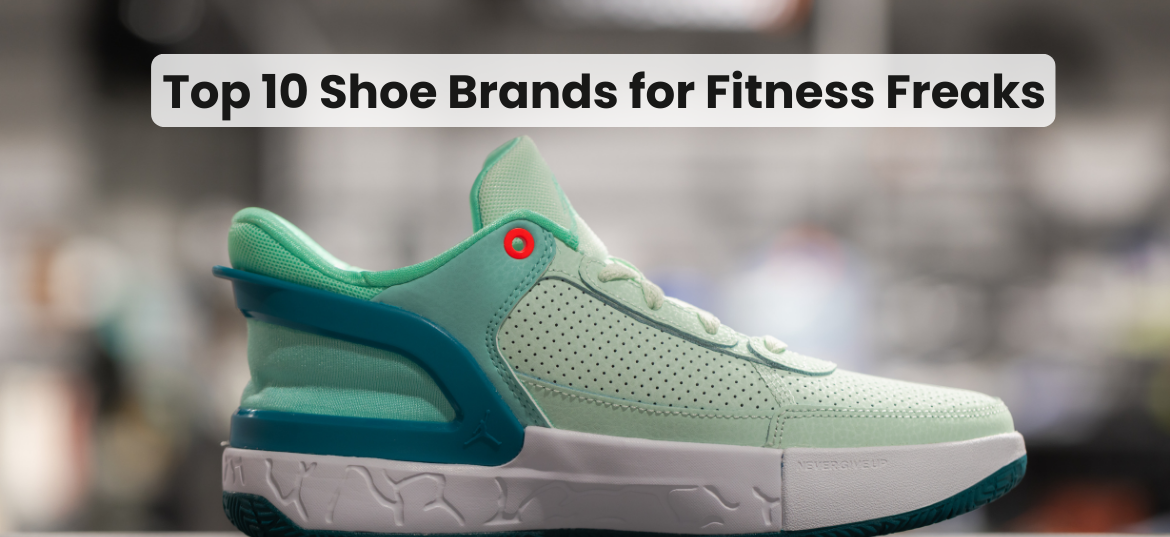
Top 10 Shoe Brands for Fitness Freaks
For fitness enthusiasts, shoes are more than just an accessory; they are a crucial piece of performance gear. Whether you’re lifting heavy at the gym, running miles on the treadmill, crushing HIIT workouts, or training for a marathon, the right shoes can improve performance, prevent injuries, and boost overall comfort. With countless brands in the market, choosing the right one can feel overwhelming. To help you out, here’s a list of the top 10 shoe brands trusted by fitness freaks worldwide, known for quality, innovation, and performance.
1. Nike
Nike is a global leader in sports footwear, loved by beginners and elite athletes alike. The brand offers specialized shoes for running, gym training, CrossFit, and high-intensity workouts. Nike’s innovations like React foam, Air Zoom, and Flyknit uppers provide excellent cushioning, responsiveness, and breathability. Popular models like Metcon (for gym) and Pegasus (for running) are top choices for serious fitness lovers.
2. Adidas
Adidas combines cutting-edge technology with stylish design. Known for its Boost cushioning, Adidas shoes deliver superior energy return, making them ideal for running and cardio workouts. The brand also excels in training shoes that offer stability and flexibility. Adidas is a great option for those who want high performance without compromising on looks.
3. Reebok
Reebok has a strong legacy in the fitness and CrossFit community. The Reebok Nano series is especially popular for strength training, HIIT, and functional workouts. These shoes offer a stable base for lifting while remaining flexible enough for jumps and sprints. If your routine includes mixed training, Reebok is a reliable choice.
4. ASICS
ASICS is a favorite among runners and endurance athletes. The brand focuses heavily on biomechanics and injury prevention, with technologies like GEL cushioning and FlyteFoam. ASICS shoes provide excellent shock absorption and support, making them ideal for long-distance running, treadmill workouts, and high-impact cardio sessions.
5. Puma
Puma has evolved into a strong performance brand in recent years. Its lightweight designs and responsive cushioning make Puma shoes great for agility training, running, and everyday fitness routines. With technologies like NITRO foam, Puma delivers speed, comfort, and durability, especially for cardio-focused athletes.
6. Under Armour
Under Armour is known for its performance-driven approach. Their training shoes often feature TriBase technology, which enhances ground contact and stability — perfect for weight training and gym workouts. Under Armour shoes are ideal for fitness freaks who prioritize strength, power, and control during training.
7. New Balance
New Balance stands out for comfort and fit, offering a wide range of sizes and widths. This brand is especially appreciated by runners and people with specific foot needs. With strong cushioning, arch support, and durability, New Balance shoes are perfect for long workouts, walking, running, and cross-training.
8. HOKA
HOKA is famous for its maximal cushioning and lightweight construction. Despite their chunky appearance, HOKA shoes are incredibly comfortable and supportive. They are excellent for long-distance running, recovery runs, and athletes who need extra joint protection. Fitness enthusiasts with knee or ankle concerns often prefer HOKA.
9. Brooks
Brooks is a performance-focused brand dedicated almost entirely to running. Its shoes are known for consistency, comfort, and reliability. Technologies like DNA Loft cushioning provide a smooth ride, making Brooks ideal for runners, treadmill users, and cardio-heavy fitness routines.
10. Saucony
Saucony is a trusted name in running shoes with a strong reputation for performance and durability. The brand offers lightweight trainers with responsive cushioning, suitable for both beginners and advanced runners. Saucony shoes strike a great balance between comfort and speed, making them a solid choice for fitness freaks.
CONCLUSION
Choosing the right shoe brand depends on your workout style. For gym and strength training, look for stability and grip. For running and cardio, prioritize cushioning and shock absorption. For mixed workouts, balance is key. Investing in the right fitness shoes not only improves performance but also protects your body from injuries.
No matter your fitness level, these top 10 shoe brands offer reliable options to help you train harder, smarter, and safer. Lace up the right pair — and let your fitness journey go the distance.
Explore more blogs and case studies related to businesses .